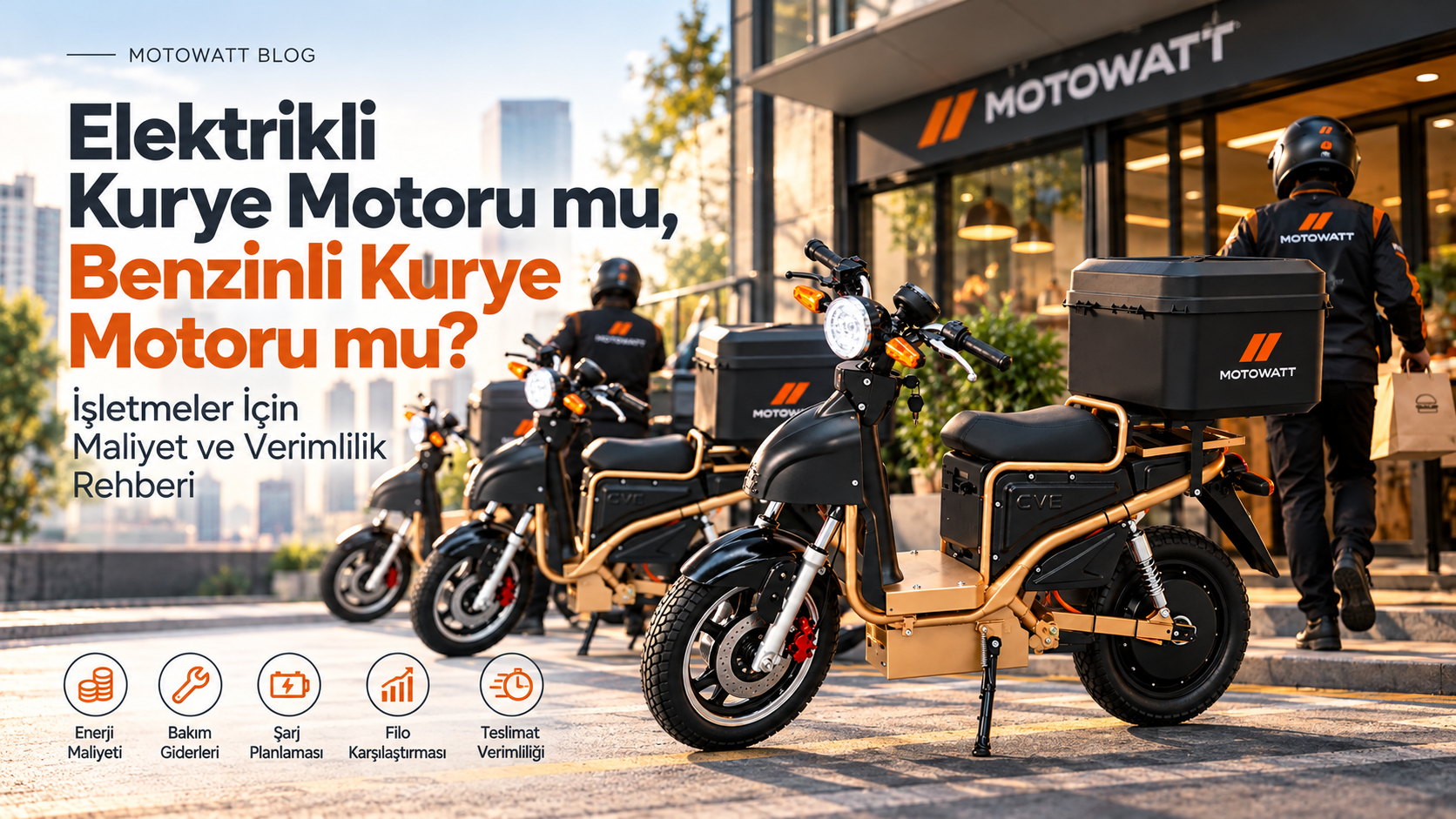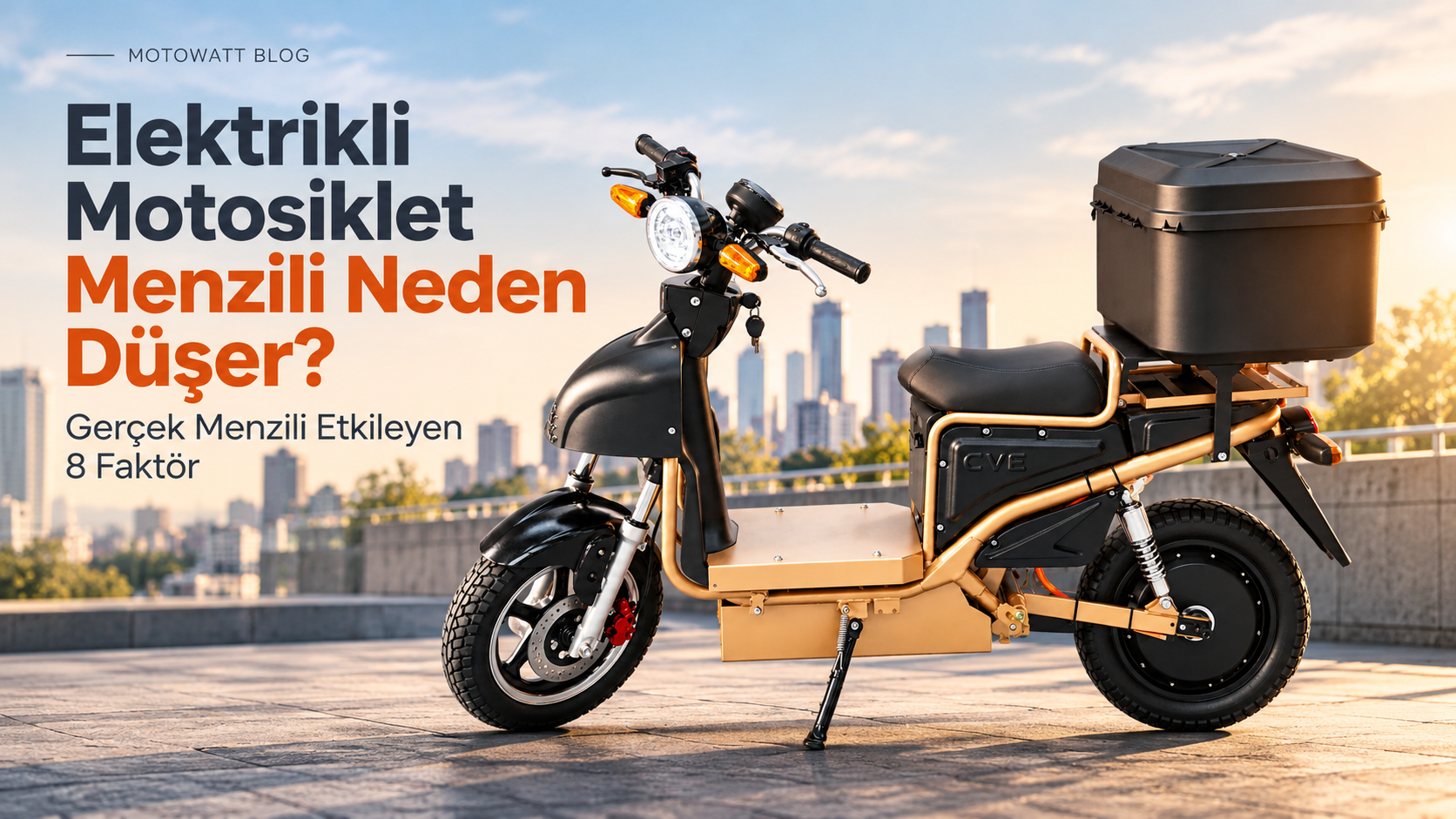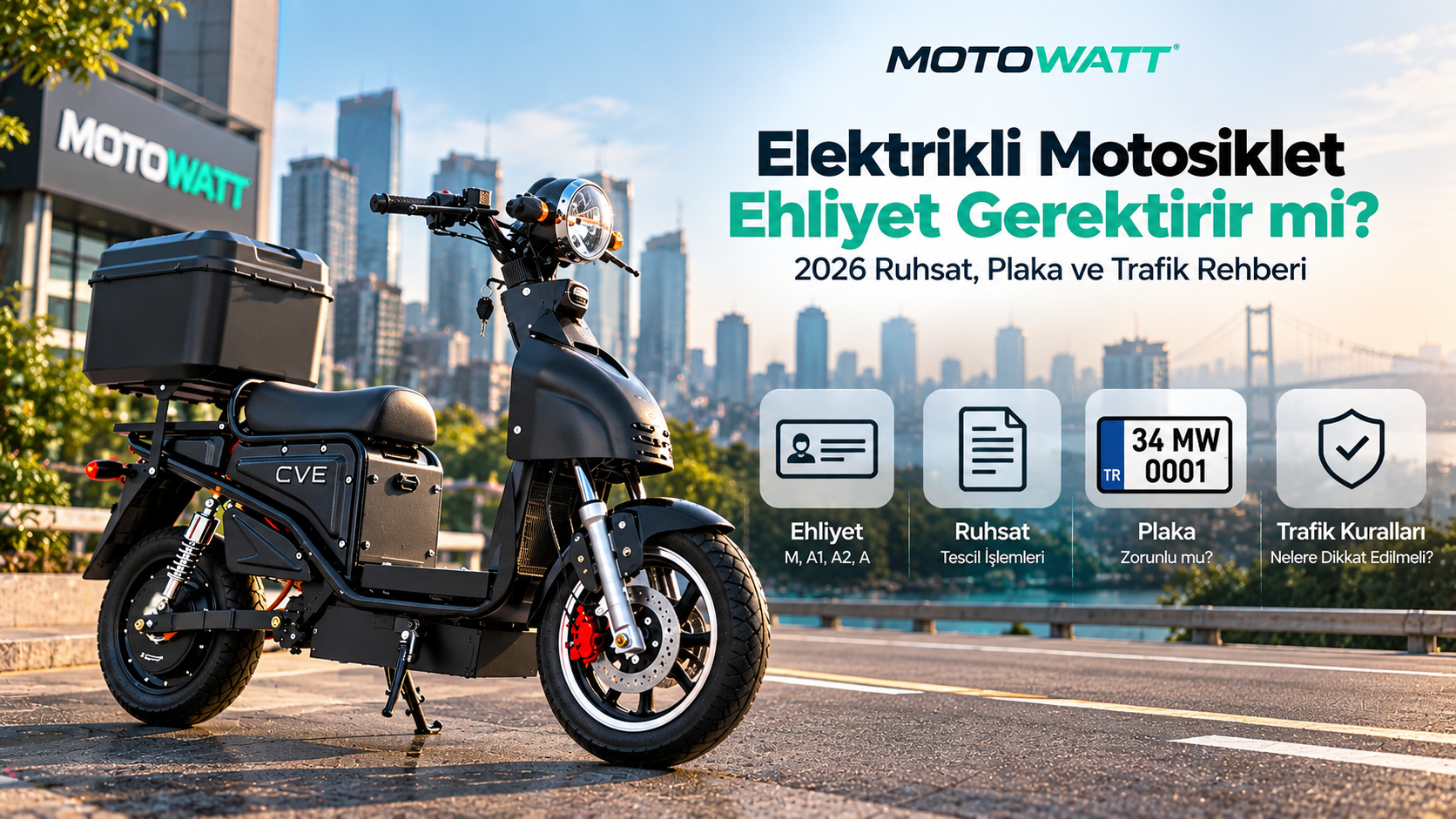
Electric Motorcycle Maintenance: Periodic Service and Inspection Guide
How do you maintain an electric motorcycle? Learn essential battery care, charging port checks, brake and tyre inspections, suspension maintenance, and practical safety tips. Discover which checks riders can perform and which tasks should be handled by qualified service technicians.
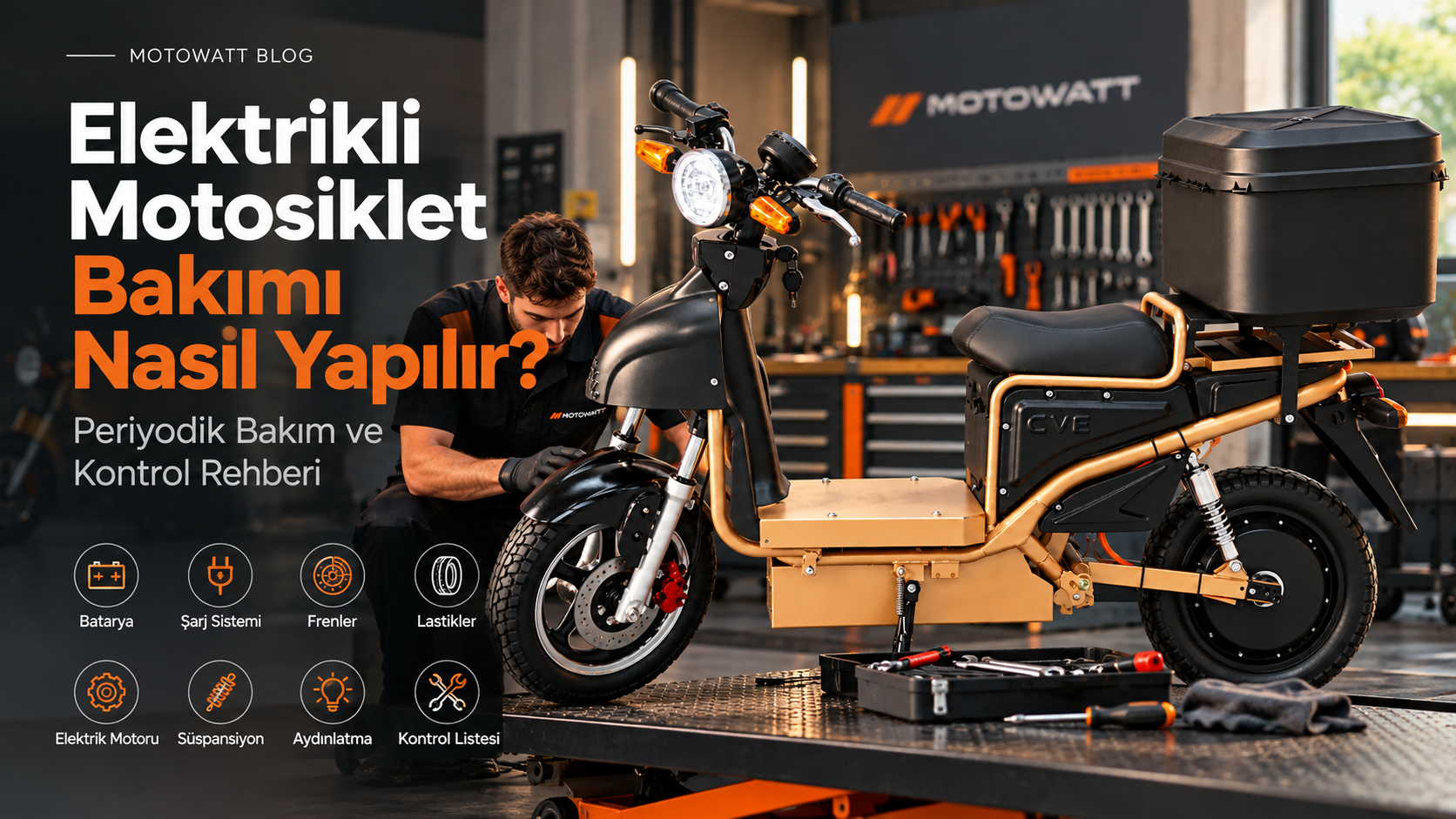
Electric motorcycles are increasingly used for commuting, urban transport, and delivery services. Their electric drivetrains can eliminate several maintenance tasks associated with conventional petrol engines.
However, electric motorcycles are not maintenance-free.
Brakes, tyres, suspension components, electrical connections, and other essential systems still require attention.
So, how do you maintain an electric motorcycle? Which components should you inspect regularly, and which maintenance tasks should be performed by qualified technicians?
This guide covers the essential aspects of electric motorcycle maintenance, routine rider checks, and safe ownership practices.
Do Electric Motorcycles Need Maintenance?
Yes. Electric motorcycles require regular inspections and maintenance to remain safe and reliable.
Unlike conventional petrol motorcycles, most electric motorcycles do not require engine oil changes, spark plug replacements, or traditional engine oil filter servicing.
However, they still have components that may need inspection, adjustment, repair, or replacement.
These include:
-
Traction battery and charging connections
-
Braking system
-
Tyres and wheels
-
Suspension
-
Steering and bearings
-
Lighting and indicators
-
Electrical systems
-
Drivetrain components, depending on the model
-
Bodywork and mechanical fasteners
The appropriate maintenance schedule depends on the motorcycle's design, operating conditions, and manufacturer instructions.
Electric vs Petrol Motorcycle Maintenance
One advantage of electric motorcycles is that their drivetrains can eliminate certain maintenance tasks associated with internal combustion engines.
Nevertheless, many safety-related components require attention regardless of the power source.
| Maintenance Item | Electric Motorcycle | Petrol Motorcycle |
|---|---|---|
| Engine oil change | Generally not required for the electric motor | Required according to engine design |
| Engine oil filter | Generally not applicable | Model-dependent |
| Spark plugs | Not required | May require replacement |
| Battery checks | Traction battery and associated systems | Usually starting or auxiliary battery |
| Brake inspection | Required | Required |
| Tyre inspection | Required | Required |
| Suspension inspection | Required | Required |
| Drivetrain maintenance | Depends on design | Depends on design |
| Electrical system checks | Required | Required |
Some electric motorcycles may contain gear reduction units, cooling systems, or other components requiring additional maintenance.
Always consult the relevant owner's manual.
1. Electric Motorcycle Battery Maintenance
The battery is the primary energy source of an electric motorcycle.
Following the manufacturer's charging, storage, and operating recommendations can help maintain safe and reliable performance.
Important battery care practices include:
-
Use approved charging equipment.
-
Follow specified charging and operating temperature limits.
-
Check the battery enclosure for visible damage.
-
Pay attention to unusual heating or warning messages.
-
Follow storage instructions when the motorcycle will not be used for an extended period.
-
Never open or modify battery components without proper authorization and qualifications.
If the battery shows signs of swelling, smoke, unusual odours, leakage, or excessive heat, stop riding and charging. Move to a safe distance and seek appropriate professional assistance.
Important: Battery cell replacement, battery management system repairs, and internal battery servicing should only be performed by qualified personnel.
2. Charging Port and Charger Inspection
Charging equipment is an important part of everyday electric motorcycle operation.
Before charging, inspect the equipment for visible problems.
Check for:
-
Cuts, crushing, or wear on charging cables
-
Damage to the charging connector
-
Dirt or moisture around the charging port
-
Unusual smells or overheating
-
Loose or visibly damaged connections
Do not charge through wet or damaged connectors.
Use only charging equipment permitted by the manufacturer and follow the applicable electrical safety instructions.
Never attempt to repair the internal electrical connections of the charging port yourself.
3. Brake System Maintenance
The braking system is essential for motorcycle safety.
Depending on the model, electric motorcycles may use disc brakes, drum brakes, or other braking configurations.
Important checks include:
-
Normal brake lever response
-
No unusual noises during braking
-
Consistent braking performance
-
No visible damage or leaks around brake hoses
-
No obvious damage to brake discs
Brake pad wear and hydraulic brake system maintenance should be checked according to the manufacturer's service schedule.
If braking performance deteriorates, or if you notice fluid leaks or abnormal brake behaviour, stop riding and arrange a professional inspection.
4. Tyre Pressure and Tyre Wear
Tyres are the motorcycle's contact point with the road.
Correct tyre pressure and suitable tyre condition contribute to riding safety and energy efficiency.
Regularly inspect:
-
Tyre inflation pressure
-
Tread depth and wear
-
Cuts, cracks, or embedded objects
-
Uneven tyre wear
-
Visible wheel damage
Always use the tyre pressure recommended by the motorcycle manufacturer.
Underinflated tyres can increase rolling resistance and may reduce electric motorcycle range.
Do not overinflate tyres in an attempt to improve efficiency.
5. Electric Motor and Electrical System Checks
Electric motors can have fewer moving parts than internal combustion engines.
However, that does not mean the motor or associated electrical systems can be ignored.
Watch for:
-
Unusual motor noises
-
Unexpected vibration
-
Loss of power
-
Dashboard fault messages
-
Unusual heating or odours
If any of these symptoms occur, stop using the motorcycle and contact a qualified service provider.
Electric motor repairs, controller servicing, and work on high-energy electrical connections must be performed by appropriately trained technicians.
6. Suspension and Steering Inspection
Suspension and steering systems affect comfort, stability, and handling.
Possible warning signs include:
-
Visible suspension oil leaks
-
Unusual knocking noises
-
Steering that feels stiff or catches
-
Unexpected instability
-
Damaged or loose-looking components
If you notice any of these symptoms, arrange an inspection.
7. Lighting and Electronic Systems
Working lights and indicators are essential for visibility and road safety.
Before riding, check:
-
Headlight operation
-
Rear light and brake light
-
Left and right indicators
-
Dashboard warnings
-
Horn and other fitted safety equipment
Lighting faults should be addressed before riding, particularly in darkness or poor weather.
8. Drivetrain and Mechanical Components
Electric motorcycles use different drivetrain configurations.
Some have hub-mounted motors, while others use chains, belts, or other power transmission systems.
Maintenance requirements therefore vary between models.
For motorcycles equipped with chains or belts, inspect wear and follow the manufacturer's instructions for tension and maintenance.
Other components worth checking visually include:
-
Side stands
-
Bodywork attachments
-
Cargo mounting systems
-
External mechanical fasteners
On delivery motorcycles, the security of the rear cargo box and its mounting structure is particularly important.
Electric Motorcycle Maintenance Checklist
The following checklist provides general guidance. It does not replace the manufacturer's service schedule.
| Component | Before Riding | Regular Rider Check | Professional Service |
|---|---|---|---|
| Tyre condition | Yes | Yes | When required |
| Tyre pressure | As needed | Yes | When required |
| Brake operation | Yes | Yes | At scheduled service |
| Lights and indicators | Yes | Yes | If faulty |
| Charging cable condition | Before charging | Yes | If damaged |
| Visible battery enclosure damage | Yes | Yes | If suspected |
| Suspension and steering | Check for unusual symptoms | Yes | At scheduled service |
| Brake pads and hydraulic system | — | Check for warning signs | According to service schedule |
| Motor and controller | — | Monitor fault indications | According to service schedule |
| Drivetrain | Model-dependent | Model-dependent | According to service schedule |
Note: Exact maintenance intervals must be obtained from the manufacturer's documentation. This table does not establish service intervals for any specific Motowatt model.
Why Is Maintenance Important for Electric Delivery Motorcycles?
Electric delivery motorcycles may experience demanding operating conditions, including frequent stops, heavy traffic, and varying cargo loads.
These conditions make regular inspections particularly important.
Delivery riders should pay attention to:
-
Tyre and brake condition before each shift.
-
Headlights, brake lights, and indicators.
-
Cargo box mounting and security.
-
Charging cable and connector condition.
-
Unusual sounds, vibrations, or performance changes.
-
Manufacturer recommendations for intensive or commercial use.
High-mileage or demanding operation may increase maintenance needs.
However, inspection and service intervals should be determined using the manufacturer's recommendations and the actual operating conditions.
Can You Maintain an Electric Motorcycle at Home?
Some simple checks can be performed by riders.
Examples include checking tyre condition, testing lights, inspecting charging cables for visible damage, and cleaning the motorcycle according to the manufacturer's instructions.
However, certain tasks require qualified technicians.
These include:
-
Opening or repairing the traction battery
-
Replacing battery cells
-
Servicing the motor controller
-
Repairing internal motor components
-
Repairing hydraulic brake systems
-
Performing safety-critical mechanical repairs
If a task involves electrical hazards or essential safety systems, professional servicing is the appropriate choice.
Is Electric Motorcycle Maintenance Cheaper?
Electric motorcycles may avoid some maintenance costs associated with petrol engines, including engine oil changes and spark plug replacements.
However, total maintenance costs depend on several factors:
-
Tyre replacement
-
Brake wear
-
Suspension maintenance
-
Battery condition
-
Spare part availability
-
Labour costs
-
Usage intensity
It would therefore be inaccurate to claim that every electric motorcycle is always cheaper to maintain than every petrol motorcycle.
For a broader comparison, see our guide on Electric vs Petrol Motorcycles.
Explore Motowatt Electric Motorcycles
When choosing an electric motorcycle, consider range, performance, operating conditions, maintenance requirements, and service support together.
Explore Motowatt electric motorcycles to compare options for daily commuting and delivery applications.
Explore Motowatt Electric Motorcycles
Frequently Asked Questions
Do electric motorcycles require maintenance?
Yes. Brakes, tyres, suspension, battery systems, charging connections, and other components require inspection and maintenance.
Do electric motorcycles need oil changes?
Most electric motorcycle motors do not require conventional engine oil changes. However, some models may contain drivetrain components with their own maintenance requirements.
How often should an electric motorcycle be serviced?
Service intervals depend on the manufacturer, motorcycle model, and operating conditions. Always follow the official maintenance schedule.
Does an electric motorcycle battery need maintenance?
Riders can monitor charging behaviour, warnings, and visible battery enclosure condition. Internal battery servicing must be handled by qualified personnel.
Do electric motorcycle brake pads need replacement?
Yes, motorcycles equipped with brake pads may require replacement as the pads wear. Inspection and replacement should follow manufacturer instructions.
Can you wash an electric motorcycle at home?
Yes, when the manufacturer permits it and the recommended cleaning procedure is followed. Avoid directing high-pressure water at electrical connections.
Do electric delivery motorcycles require more maintenance?
Intensive use, frequent braking, and cargo loads may increase inspection and maintenance needs. Follow the manufacturer's recommendations for the intended operating conditions.