Can You Ride an Electric Motorcycle in the Rain? Waterproofing and Safety Guide
Can you safely ride an electric motorcycle in the rain? Learn how IP protection ratings work, what to know about battery and motor water resistance, whether charging in wet weather is safe, and how to protect your motorcycle while riding on wet roads.
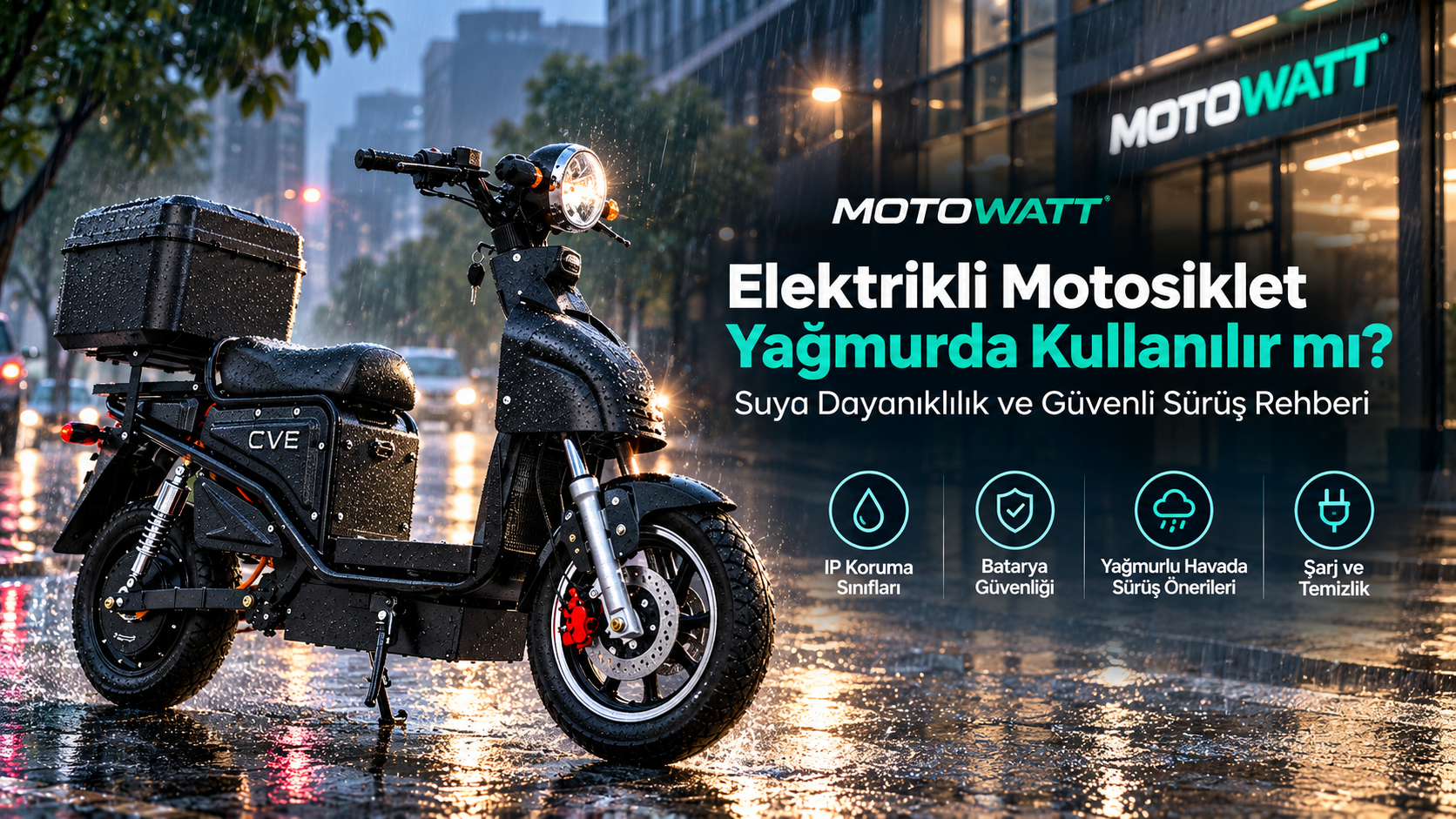
One of the most common questions among people considering an electric motorcycle is whether it can be safely used in rainy weather. For commuters and delivery riders, changing weather conditions are part of everyday riding.
So, can you ride an electric motorcycle in the rain? Can water damage the battery or electric motor? And is it safe to charge an electric motorcycle in wet conditions?
In this guide, we explain electric motorcycle water resistance, IP protection ratings, charging precautions, and important safety tips for riding in the rain.
Can Electric Motorcycles Be Used in the Rain?
Yes. Electric motorcycles designed for wet-weather use and approved by their manufacturers for such conditions can generally be ridden in the rain.
However, not all electric motorcycles provide the same level of water resistance.
The protection of components such as the battery, motor, controller, electrical connectors, and charging port varies by model.
Always refer to the manufacturer's specifications, owner's manual, and applicable IP protection ratings.
A motorcycle being suitable for rainy conditions does not mean it is completely waterproof or safe to submerge.
Can Water Damage an Electric Motorcycle Battery?
The battery is one of the most important components of an electric motorcycle.
Battery packs are commonly designed with protective enclosures, but their resistance to water depends on the design and intended operating conditions.
If water reaches inadequately protected electrical connections or battery components, it can cause faults and safety hazards.
Pay particular attention to:
- Cracks or physical damage to the battery enclosure
- Open or damaged charging port covers
- Water around electrical connections
- Exposure to deep water
- Attempts to restart a motorcycle after flooding
Important: If you suspect water has entered the battery compartment, do not operate or charge the motorcycle. Contact an authorized service provider.
What Is an IP Rating on an Electric Motorcycle?
IP stands for Ingress Protection. It is a classification system describing the level of protection an enclosure provides against the entry of solid objects and water.
The first digit indicates protection against solid objects and dust. The second digit indicates protection against water.
Different components on an electric motorcycle may have different IP ratings.
For example, an IP rating assigned to the motor does not automatically apply to the battery, charging port, or entire motorcycle.
What Do IP54, IP65, IP66 and IP67 Mean?
| IP RatingDust and Solid Object ProtectionWater Protection | ||
| IP54 | Dust-protected | Protection against splashing water |
| IP65 | Dust-tight | Protection against water jets |
| IP66 | Dust-tight | Protection against powerful water jets |
| IP67 | Dust-tight | Protection against temporary immersion under specified test conditions |
These ratings describe protection under defined test conditions.
Real-world factors such as water pressure, temperature, component damage, aging, and connector condition can affect protection.
Even an IP67 rating does not mean a motorcycle is safe to ride through floodwater or use underwater.
An IP rating for one component should never be interpreted as a rating for the entire vehicle.
How to Ride an Electric Motorcycle Safely in the Rain
Safe riding in wet weather depends on more than electrical protection. Road grip, visibility, and braking performance are equally important.
1. Reduce Your Speed
Wet roads may provide less tyre grip. Reduce speed, especially around corners, junctions, and slippery surfaces.
2. Increase Following Distance
Braking distances may increase in wet conditions. Leave additional space between your motorcycle and the vehicle ahead.
3. Avoid Sudden Braking and Sharp Manoeuvres
Abrupt acceleration, harsh braking, and sudden changes of direction can increase the risk of losing traction.
4. Check Your Tyres
Tyre tread depth, pressure, and overall condition are important for wet-weather safety.
5. Improve Visibility
Make sure your headlights and indicators work properly. Wear appropriate waterproof riding equipment and consider high-visibility clothing.
6. Avoid Deep Puddles
Puddles can hide potholes, debris, and other road hazards. Do not ride through water when its depth is unknown.
Can You Charge an Electric Motorcycle in the Rain?
Whether an electric motorcycle can be charged in rainy conditions depends on the charging equipment, charging port, and electrical installation.
Not every charger is designed for outdoor use.
For safer charging:
- Use manufacturer-approved charging equipment.
- Check whether the charger is rated for indoor or outdoor operation.
- Never charge through wet or damaged connections.
- Do not connect the charger if you suspect water is present in the charging port.
- Ensure the electrical outlet and installation are suitable.
- Follow all manufacturer safety instructions.
A motorcycle being suitable for riding in the rain does not mean its charger can safely be used in the rain.
Can You Wash an Electric Motorcycle?
Electric motorcycles should be cleaned according to the manufacturer's instructions.
Avoid directing high-pressure water at the battery enclosure, motor connections, controller, and charging port unless the manufacturer explicitly permits it.
When cleaning:
- Switch off the motorcycle.
- Disconnect the charger.
- Follow the recommended cleaning procedure.
- Avoid directing pressurized water at electrical components.
- Ensure charging connections are clean and dry before use.
Cleaning requirements may vary between models.
Can an Electric Motorcycle Ride Through Puddles?
The depth of a puddle is not always visible from the surface.
Deep water can damage electrical systems, affect vehicle stability, and conceal road hazards.
Avoid riding through deep or unknown water.
During flooding or severe water accumulation, choose a safer route rather than attempting to continue.
If a motorcycle has been submerged, do not restart or charge it until it has been inspected by an authorized service provider.
Electric Delivery Motorcycles in Rainy Weather
Delivery motorcycles may operate throughout the day in changing weather conditions.
For delivery riders, safe riding and operational planning become particularly important during rainfall.
Recommended precautions include:
- Check weather forecasts before starting work.
- Adjust speed and following distance for wet roads.
- Regularly inspect tyres, brakes, and lighting.
- Use charging equipment only under approved conditions.
- Postpone riding when heavy rain or flooding creates unsafe conditions.
- Follow manufacturer operating limits.
When selecting an electric delivery motorcycle, safety, service support, and operating conditions matter alongside battery capacity and riding range.
Read our Electric Delivery Scooter Buying Guide for more information, if available in the English blog.
What Should You Check After Riding in Heavy Rain?
After heavy rainfall, it can be helpful to inspect the motorcycle's general condition.
Check that:
- The charging port is clean and dry.
- The battery enclosure shows no visible damage.
- Brakes operate normally.
- Headlights and indicators work correctly.
- No warning messages appear on the display.
- Tyres remain in suitable condition.
If you notice unusual noises, warning messages, unexpected performance changes, or suspected electrical faults, stop using the motorcycle and contact an authorized service provider.
Explore Motowatt Electric Motorcycle Models
When choosing an electric motorcycle, consider not only range and performance but also operating conditions, maintenance requirements, and manufacturer safety instructions.
Explore Motowatt models and compare their technical specifications to find an option that suits your needs.
Explore Motowatt Electric Motorcycle Models
Frequently Asked Questions
Can rain damage an electric motorcycle?
Models designed and approved for wet-weather use can generally operate in normal rainy conditions. However, water resistance and operating limits vary between motorcycles.
What happens if water enters an electric motorcycle battery?
Water intrusion may cause electrical faults and safety hazards. If you suspect water has entered the battery, do not operate or charge the motorcycle. Contact an authorized service provider.
Does IP67 mean an electric motorcycle is completely waterproof?
No. IP67 indicates protection against temporary immersion under specified test conditions. It does not mean unlimited waterproofing.
Is it safe to charge an electric motorcycle in the rain?
Only if the manufacturer and charging equipment explicitly permit charging under those conditions. Wet or damaged connections must not be used.
Can you pressure-wash an electric motorcycle?
Avoid directing high-pressure water at electrical components and connectors unless the manufacturer explicitly allows it.
Can you ride an electric motorcycle through floodwater?
No. Avoid floodwater and puddles of unknown depth. A submerged motorcycle should be inspected by an authorized service provider before being operated or charged.