How Much Electricity Does an Electric Motorcycle Use per 100 km?
How much electricity does an electric motorcycle use per 100 km, and how much does charging cost? Use Motowatt's interactive cost calculator to compare the monthly running costs of electric and petrol motorcycles and discover your potential savings.
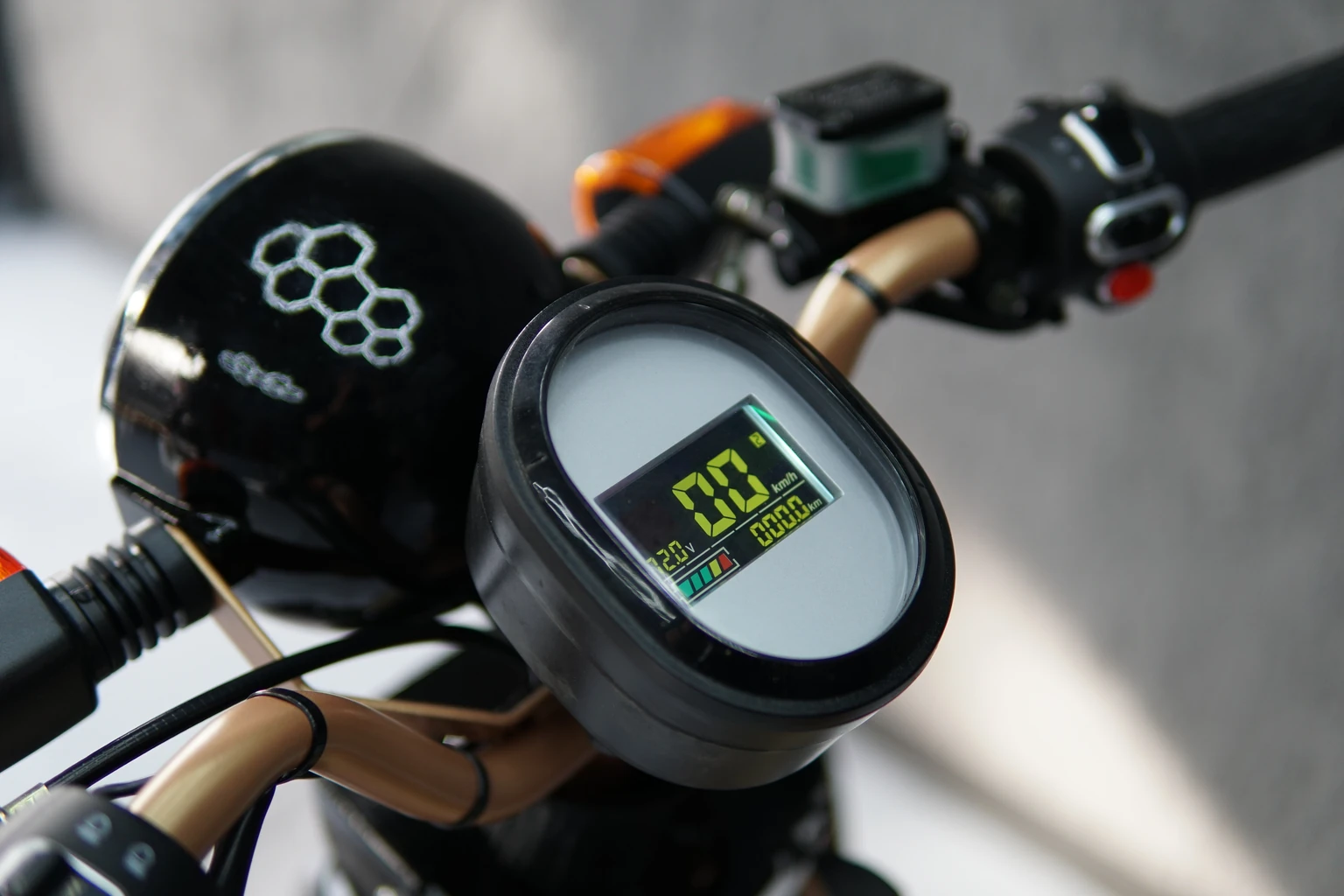
Electric motorcycles are becoming an increasingly popular alternative for urban transportation and delivery services. Rising fuel expenses and the growing demand for cost-effective mobility are encouraging more riders to explore the energy consumption of electric motorcycles.
But how much electricity does an electric motorcycle use per 100 km? How much does it cost to charge an electric motorcycle? And how much could you potentially save compared to a petrol-powered motorcycle?
In this guide, we explore electric motorcycle energy consumption, charging costs, and running expenses. You can also use the Motowatt Cost Calculator below to compare the monthly energy and fuel costs of electric and petrol motorcycles based on your own riding habits.
How Many kWh Does an Electric Motorcycle Consume per 100 km?
Electricity consumption varies depending on several factors, including motor power, battery capacity, riding speed, road conditions, and the weight carried by the motorcycle.
Therefore, there is no single energy consumption figure that applies to every electric motorcycle.
Electric vehicle energy consumption is commonly expressed in kWh/100 km. This measurement indicates how much energy a motorcycle draws from its battery to travel 100 kilometres.
For example, a hypothetical electric motorcycle consuming 5 kWh per 100 km would use approximately 5 kWh of battery energy to cover that distance.
However, the total electricity drawn from the grid may be higher due to energy losses during charging.
How Is the Electricity Cost per 100 km Calculated?
To calculate the running cost of an electric motorcycle, you need two key figures:
- The motorcycle's electricity consumption per 100 km (kWh)
- The electricity unit price (TRY/kWh)
The basic formula is:
Electricity Cost per 100 km = Energy Consumption (kWh/100 km) × Electricity Price (TRY/kWh)
Let's consider a hypothetical electric motorcycle that consumes 5 kWh per 100 km.
If we assume an illustrative electricity price of TRY 4 per kWh:
5 kWh × TRY 4 = TRY 20
In this example, the motorcycle's battery energy cost for travelling 100 km would be approximately TRY 20.
This is not a current electricity tariff or verified consumption figure for a specific Motowatt model. The actual cost of electricity drawn from the grid may differ when charging losses are included.
Electric vs Petrol Motorcycle: Which Is More Economical?
One of the most common questions among people considering an electric motorcycle is how its running costs compare with those of a petrol-powered motorcycle.
Petrol motorcycles measure fuel consumption in litres per 100 km, while electric motorcycles use kWh per 100 km.
Let's compare two entirely hypothetical motorcycles.
Electric Motorcycle:
- Electricity consumption: 5 kWh/100 km
- Electricity price: TRY 4/kWh
- Energy cost per 100 km: TRY 20
Petrol Motorcycle:
- Petrol consumption: 3 litres/100 km
- Petrol price: TRY 55/litre
- Fuel cost per 100 km: TRY 165
In this example, the electric motorcycle has a lower energy cost than the petrol motorcycle.
However, the actual difference depends on vehicle specifications, energy prices, riding conditions, and charging efficiency.
So, how many kilometres do you ride each month? And how much could your energy expenses change if you switched to an electric motorcycle?
Motowatt Electric Motorcycle Cost Calculator
Use the interactive calculator below to compare the energy and fuel expenses of electric and petrol motorcycles.
Adjust the electricity price, consumption figures, petrol price, and monthly distance to calculate an estimated cost comparison based on your riding habits.
The calculator compares monthly electricity and petrol expenses based on your inputs. Results cover energy and fuel costs only. Maintenance, insurance, purchase price, and other ownership expenses are not included.
What Affects the Charging Cost of an Electric Motorcycle?
The cost of charging an electric motorcycle depends on more than battery capacity alone.
Several factors influence the final charging expense.
1. Battery Capacity
Battery capacity is measured in kilowatt-hours (kWh). A larger battery can store more energy, but the cost of a charging session depends on how much energy is actually added to the battery.
2. Electricity Unit Price
Electricity tariffs may vary between homes, workplaces, and different charging locations. For an accurate estimate, use the current electricity rate applicable to your charging location.
3. Charging Losses
Some energy is lost during the charging process through the charger and battery system. As a result, the electricity drawn from the grid may exceed the energy stored in the battery.
4. Riding Habits
Frequent acceleration, high speeds, heavy loads, and steep roads can affect energy consumption. These conditions may also influence how frequently the motorcycle needs to be charged.
How Can You Reduce Electric Motorcycle Energy Consumption?
Developing efficient riding habits can help you make better use of your electric motorcycle.
Accelerate Smoothly
Sudden and aggressive acceleration can increase energy consumption. Smooth acceleration and maintaining an appropriate riding speed may help improve efficiency.
Check Tyre Pressure
Maintaining the tyre pressure recommended by the manufacturer can help prevent unnecessary rolling resistance.
Avoid Carrying Unnecessary Weight
Additional weight may affect energy consumption, particularly on electric delivery motorcycles. Always follow the vehicle's specified load capacity.
Follow Battery Care Guidelines
Follow the manufacturer's recommendations for charging and storing the battery. Extreme temperatures and unsuitable operating conditions can affect battery performance.
Perform Regular Maintenance
Regular inspection of brakes, tyres, suspension, and electrical components is important for safe and efficient operation.
Why Does Electricity Consumption Matter for Delivery Motorcycles?
Energy consumption is particularly important for delivery motorcycles used intensively throughout the day.
Delivery riders working in food delivery, grocery services, and e-commerce logistics may cover considerable distances each month.
For this reason, even relatively small differences in energy consumption per kilometre can influence overall operating expenses.
However, low energy consumption alone is not enough when choosing a motorcycle for professional delivery operations.
Riding range, charging time, carrying capacity, comfort, warranty coverage, and service support should also be considered.
To learn more about selecting a suitable electric delivery motorcycle, read our guide: What to Look for When Buying an Electric Delivery Scooter.
Discover Electric Mobility with Motowatt
Electric motorcycles offer alternative solutions for urban transportation and delivery operations.
When choosing the right motorcycle, it is important to consider not only energy consumption but also battery capacity, riding range, charging time, and motor performance.
Explore Motowatt's electric motorcycle models, compare their technical specifications, and find an option that suits your transportation needs.
Explore Motowatt Motorcycle Models
Frequently Asked Questions
How many kWh does an electric motorcycle use per 100 km?
Electricity consumption varies depending on the motorcycle's technical specifications, riding speed, road conditions, and carried weight. Check the verified specifications of the relevant model for accurate consumption figures.
How much does it cost to ride an electric motorcycle for 100 km?
You can estimate the battery energy cost by multiplying electricity consumption per 100 km by the electricity unit price. Charging losses should also be considered when calculating the actual cost of electricity drawn from the grid.
Is an electric motorcycle cheaper to run than a petrol motorcycle?
Electric motorcycles may offer lower energy costs. However, a complete ownership cost comparison should also include the purchase price, maintenance, battery, insurance, and servicing expenses.
How do you calculate the monthly electricity cost of an electric motorcycle?
You can estimate the cost using your monthly riding distance, electricity consumption per 100 km, and electricity unit price. The Motowatt Cost Calculator above makes this comparison easier.
What increases an electric motorcycle's energy consumption?
High speeds, frequent aggressive acceleration, heavy loads, steep roads, incorrect tyre pressure, and certain weather conditions can increase electricity consumption.